Packing Tips for Southeast Asia: My Essential Must-Haves

Packing Tips for Southeast Asia: My Essential Must-Haves

Cave villa
Welcome back to Fair Dinkum Traveller, your go-to source for all things travel! If you’re anything like me, the excitement of planning a trip to Southeast Asia is almost as thrilling as the journey itself.
 
There’s something utterly enchanting about this region, with its vibrant cultures, mouthwatering cuisine, stunning landscapes, and warm, welcoming people. From the bustling streets of Bangkok to the serene beaches of Bali and the dense jungles of Borneo, Southeast Asia offers a kaleidoscope of experiences that cater to every kind of traveller.

However, packing for a trip to Southeast Asia can be a bit of a challenge. With the region’s diverse climates, bustling urban centres, and remote natural wonders, it’s crucial to pack efficiently and thoughtfully. Over the years, I’ve navigated the markets of Hanoi, sailed through the Philippines’ crystal-clear waters, and explored the ancient temples of Angkor Wat. Along the way, I’ve learned something about what to bring and what to leave behind.

In this blog post, I’ll share my comprehensive guide to packing smart and travelling lights in Southeast Asia. Whether you’re a seasoned globetrotter or embarking on your first adventure to this incredible part of the world, these tips will help you make the most of your journey.

So, let’s dive into my top 15 must-have items to ensure you’re well-prepared for every adventure Southeast Asia offers.


Packing Tips for Southeast Asia

Packing Tips for Southeast Asia: My Essential Must-Haves.


Packing Tips for Southeast Asia: My Essential Must-Haves

In my travels through the bustling streets of Bangkok, the beaches of Bali, and the jungles of Borneo, I have gained a lot of experience in packing for Southeast Asia. Here’s a comprehensive guide to help you pack smart and travel lights, including my top 15 must-have items for packing tips for Southeast Asia.


1. Lightweight Clothing

Southeast Asia’s tropical climate means it’s hot and humid almost year-round. I always pack lightweight, breathable clothing from natural fibres like cotton and linen. These materials help keep you cool and comfortable. Think loose-fitting tops, shorts, sundresses, and a couple of swimsuits for those beach days.


2. Comfortable Footwear

Your footwear can make or break your trip. I always bring a pair of sturdy sandals for everyday wear and exploring cities and lightweight sneakers for hiking or more strenuous activities. Flip-flops are also a must for the beach and hostel showers.


3. Rain Gear

Southeast Asia is known for its sudden and heavy downpours, especially during the monsoon season. I never travel without a compact, foldable rain jacket or poncho. They’re lifesavers when the skies open up unexpectedly.


4. Sun Protection

The tropical sun can be intense, so protecting yourself is crucial. Pack a high-SPF sunscreen (reef-safe to preserve marine life), good-quality sunglasses, and a wide-brimmed hat or cap. These items will help you avoid painful sunburns and stay cool.


5. Insect Repellent

Mosquitoes can be more than just a nuisance in Southeast Asia; they can carry diseases like dengue fever and malaria. I always have a DEET-based insect repellent and apply it religiously, especially in the evenings and in rural areas.


6. Travel Adapter

Southeast Asian countries use different plug types and voltages, so a universal travel adapter is necessary. It ensures you can charge your devices no matter where you are. I also recommend a small power strip if you have multiple devices.


7. Reusable Water Bottle

Staying hydrated is essential in the tropical heat, and having a reusable water bottle helps you keep track of your water intake and reduces plastic waste. I prefer bottles with built-in filters, making tap water safe to drink in areas where bottled water is scarce.


8. Travel Towel

A quick-dry travel towel is incredibly versatile. It’s perfect for beach days, impromptu swims, or even a makeshift blanket on chilly bus rides. They’re compact, lightweight, and dry much faster than regular towels.


9. First Aid Kit

A small first aid kit is a must. Mine includes band-aids, antiseptic wipes, pain relievers, and personal medications. I also add motion sickness tablets for those winding bus rides and charcoal tablets for any unexpected stomach issues.


10. Power Bank

Whether you’re using your phone for maps, translations, or just taking photos, a power bank is essential to keep your devices charged on the go. I always carry a high-capacity power bank that can charge my phone multiple times before recharging.


11. Dry Bag

A dry bag protects your electronics and important documents during boat trips or sudden downpours. They come in various sizes, and I always pack one for beach days and boat excursions.


12. Lightweight Backpack

A small, lightweight backpack is perfect for day trips and exploring cities. I opted for one with multiple compartments to keep things organized and a water-resistant material to protect against unexpected rain.


13. Travel Insurance

Travel insurance is something I never leave home without. It’s essential for covering unexpected medical expenses, trip cancellations, and other unforeseen events. Research and choose a plan that suits your needs and covers activities you plan to do.


14. Local Currency

While credit cards are widely accepted in cities, local currency is essential for small purchases, street food, and more remote areas. I usually withdraw cash from ATMs upon arrival but always keep a small amount of USD or EUR as a backup.


15. Snacks

Long bus rides, train journeys, and remote locations sometimes mean limited food options. I always pack energy bars, nuts, or dried fruit to keep me going between meals or during travel days.


Packing Tips for Southeast Asia

What are you taking on your trip to Southeast Asia? I would love to know in the comments below.


Bonus Tips:

  • Pack Light: You’ll likely be moving around a lot, so packing light makes travel more manageable. Choose versatile clothing items that can be mixed and matched.
  • Secure Your Belongings: Use a money belt or hidden pouch to keep your valuables safe. Petty theft can be an issue in crowded areas.
  • Bring a Copy of Important Documents: Keep digital and physical copies of your passport, visa, travel insurance, and other essential documents in case they are lost or stolen.
  • Learn Basic Local Phrases: Knowing a few words in the local language can make your travels smoother and more enjoyable.


Packing Tips for Southeast Asia

Pack smart in Asia and discover fascinating cultures.


Conclusion to Packing Tips for Southeast Asia

Packing for Southeast Asia doesn’t have to be daunting. With these tips and essentials, you’ll be well-prepared for an unforgettable adventure. Whether navigating the bustling markets of Ho Chi Minh City, hiking through the lush rainforests of Malaysia, or soaking up the sun on the pristine beaches of the Philippines, having the right gear can make all the difference.

Remember, the key is to pack light but smart. Focus on versatile, durable items that can withstand your diverse conditions. With careful planning and the right essentials, you’ll be ready for any situation and enjoy a smoother, more comfortable journey.

Travelling through Southeast Asia is an experience like no other. The region’s rich tapestry of cultures, cuisines, and landscapes offers endless opportunities for exploration and discovery. From Cambodia’s ancient temples to Bangkok’s vibrant nightlife, each destination has unique charm and adventures. Being well-prepared allows you to fully immerse yourself in these experiences without worrying about missing something important.

So, embrace the journey with an open heart and mind. Take in the breathtaking sights, engage with the local communities, and savour every moment of your travels. The memories you create will last a lifetime, and the lessons you learn will stay with you long after you return home.

Safe journeys, Anthony Jury, owner of Fair Dinkum Traveller.


Packing Tips for Southeast Asia

Packing Tips for Southeast Asia: My Essential Must-Haves.

Planning Your Southeast Asia Trip: Must-Know Tips and Advice

Planning Your Southeast Asia Trip: Must-Know Tips and Advice

places to visit in Sanur

Southeast Asia is a captivating and multifaceted region with many cultures, stunning landscapes, and awe-inspiring experiences. Spanning across countries like Thailand, Vietnam, Malaysia, Indonesia, and the Philippines, this part of the world offers a vibrant tapestry of sights, sounds, and flavours that promise to enchant every traveller.

From bustling urban centres like Bangkok and Ho Chi Minh City, where modernity meets tradition in a vibrant blend of street markets, historic landmarks, and cutting-edge skyscrapers, to the serene coastal getaways of Bali and the Philippines’ pristine islands, Southeast Asia is a region of contrasts and surprises. Whether you’re exploring ancient temples that whisper tales of bygone eras, trekking through lush rainforests, or lounging on idyllic beaches, the opportunities for adventure and relaxation are endless.

One of Southeast Asia’s most alluring aspects is its rich cultural diversity. Each country, and often each region within a country, has its unique traditions, festivals, and culinary delights. The food alone is a reason to visit, with each bite offering a taste of the region’s history and heritage, from the aromatic spices of Thai curries to the fresh, vibrant flavours of Vietnamese pho.

Planning a journey to this dynamic region can be both exhilarating and overwhelming. With many destinations and experiences, crafting the perfect itinerary requires careful thought and insider knowledge. That’s where this guide comes in. Below, you’ll find essential insights and recommendations to help you navigate your Southeast Asian adventure, ensuring you make the most of your time in this enchanting world. Whether you’re a first-time visitor or a seasoned traveller, these tips will help you uncover the hidden gems and iconic landmarks that make Southeast Asia a must-visit destination.

So, pack your bags, prepare your senses for a feast of sights and sounds, and embark on an unforgettable journey through the heart of Southeast Asia. Your adventure awaits!


Planning Your Southeast Asia Trip

Planning Your Southeast Asia Trip: Must-Know Tips and Advice.


Planning Your Southeast Asia Trip: Must-Know Tips and Advice

Southeast Asia is an enchanting and diverse region that includes Thailand, Vietnam, Malaysia, Indonesia, and the Philippines. It offers a rich tapestry of cultures, stunning landscapes, and unforgettable experiences, promising to captivate every traveller.


Why Visit Southeast Asia?

Southeast Asia is a traveller’s paradise with stunning natural beauty, historical landmarks, and cultural diversity. Countries like Thailand, Vietnam, Indonesia, Malaysia, the Philippines, and Cambodia offer unique experiences, attracting millions of tourists annually.


The Diverse Cultures of Southeast Asia

Each Southeast Asian country has a unique culture, language, and traditions. Understanding and respecting these differences will enrich your travel experience. Whether it’s the Buddhist temples in Thailand, the rich history of Vietnam, or the vibrant street markets in Malaysia, there’s always something new to discover.


Natural Beauty and Adventure

Southeast Asia is a haven for nature lovers and adventure seekers, from the pristine beaches of the Philippines to the lush jungles of Indonesia. Whether you enjoy diving, hiking, or simply relaxing on the beach, you’ll find plenty of opportunities to indulge your passions.


Affordable Travel

Southeast Asia is known for its affordability, making it an ideal destination for budget travellers. With inexpensive accommodations, street food, and transportation, you can have a fantastic trip without breaking the bank.


Planning Your Southeast Asia Trip

Enjoy the Natural Beauty and Adventure of Asia, like this beautiful beachfront in the Philippines.


Best Time to Visit Southeast Asia

The best time to visit Southeast Asia depends on what you want to do and which countries you plan to visit. The region has a tropical climate with generally hot and humid weather, but variations exist.


Understanding the Climate

Southeast Asia typically experiences three main seasons: the hot season, the rainy season, and the incredible season. The hot season usually runs from March to June, the rainy season from June to October, and the cool season from November to February.


Best Time for Beach Holidays

If you’re planning a beach holiday, the best time to visit places like Thailand, the Philippines, and Indonesia is during the dry season, which generally falls between November and April. This period offers the best weather for beach activities and water sports.


Best Time for Cultural and Historical Tours

The cooler months from November to February are ideal for exploring cultural and historical sites. The weather is more comfortable for sightseeing and outdoor activities.


Bukit permata

There’s never a better time to enjoy a romantic Southeast Asian getaway and a beachfront holiday with incredible views.


Essential Packing List for Southeast Asia

Packing for a trip to Southeast Asia requires some careful planning. Here’s a list of essentials to consider:

Clothing and Footwear

  • Lightweight and Breathable Clothing: Due to the hot and humid climate, pack clothes made from lightweight and breathable fabrics.
  • Comfortable Footwear: Bring comfortable walking shoes for exploring cities and flip-flops for the beach.
  • Rain Gear: An umbrella or a lightweight rain jacket is helpful, especially if you’re travelling during the rainy season.


Travel Accessories

  • Travel Adapter: Electrical outlets vary, so a universal travel adapter is essential.
  • Reusable Water Bottle: Staying hydrated is crucial in the tropical climate, and a reusable bottle helps reduce plastic waste.
  • First Aid Kit: Include basic medical supplies, insect repellents, and personal medications.


Important Documents

  • Passport and Visas: Ensure your passport is valid for at least six months from your entry date, and check visa requirements for each country you plan to visit.
  • Travel Insurance: Comprehensive travel insurance is essential to cover medical emergencies, trip cancellations, and lost belongings.
  • Copies of Important Documents: Keep photocopies of your passport, visa, travel insurance, and other essential documents separate from the originals.


Planning Your Southeast Asia Trip

Go searching for a bargain in the Khao Lak Night markets, Bang Niang.


Budget Travel in Southeast Asia

Southeast Asia is known for being a budget-friendly destination, but it’s still important to manage your finances wisely.

Budget Accommodation

  • Hostels and Guesthouses: These are widely available and offer affordable lodging options.
  • Homestays: Staying with local families can provide a more authentic experience and is often cheaper than hotels.
  • Boutique Hotels: Boutique hotels are a great mid-range option for more comfort without breaking the bank.


Affordable Transportation

  • Public Transport: Buses and trains provide affordable and efficient transportation, offering a convenient way to travel between locations.
  • Scooter Rentals: Renting a scooter can be a cost-effective and flexible way to explore smaller towns and islands.
  • Shared Taxis and Rideshares: In cities, using apps like Grab can be an affordable and convenient way to get around.


Eating on a Budget

  • Street Food: Southeast Asia is famous for its delicious and inexpensive street food. Eating at local markets and street stalls can save you money.
  • Local Restaurants: Dining at local eateries instead of touristy restaurants will give you a taste of authentic cuisine at a lower cost.
  • Cooking Your Meals: If you can access a kitchen, shopping at local markets and cooking meals can be a fun and budget-friendly option.


mai khao lak

Luxury Escapes takes you to paradise all over the world, and it can be found with a splash in Asia.


Creating Your Southeast Asia Itinerary

Planning your itinerary involves deciding which countries and destinations to visit based on your interests and available time.

Top Destinations to Consider

  • Thailand: Known for its beautiful beaches, bustling cities, and rich culture.
  • Vietnam: Offers a mix of historical sites, vibrant cities, and stunning landscapes.
  • Indonesia: Famous for Bali, but also home to many other beautiful islands.
  • Malaysia: A diverse country with modern cities, historical sites, and beautiful islands.
  • Cambodia: Home to the magnificent Angkor Wat and other historical treasures.
  • Philippines: Boasts some of the world’s best beaches and diving spots.
  • Laos: Known for its serene landscapes, Buddhist monasteries, and friendly locals.
  • Myanmar Offers a unique cultural experience with its ancient temples and traditional ways of life.
  • Singapore: A modern city-state with a blend of cultures, world-class attractions, and fantastic food.


Sample Itinerary

Week 1: Thailand

  • Day 1-2: Bangkok: Explore the Grand Palace, Wat Pho, and the vibrant street markets.
  • Day 3-4: Chiang Mai: Visit ancient temples, explore night markets, and take a cooking class.
  • Day 5-7: Phuket: Relax on the beaches, enjoy water sports, and take a day trip to the Phi Phi Islands and Phang Nga Bay.

Find activities and Tours in Thailand!


Week 2: Vietnam

  • Day 8-9: Hanoi: Wander through the Old Quarter, visit Hoan Kiem Lake, and see the Ho Chi Minh Mausoleum.
  • Day 10-11: Ha Long Bay: Take a cruise to explore the stunning limestone islands and caves.
  • Day 12-14: Hoi An: Discover the ancient town, cycle through rice fields, and relax on the beaches.

Find activities and Tours in Vietnam!


Week 3: Philippines

  • Day 15-16: Manila: Explore historical sites, visit Intramuros, and enjoy the city’s nightlife.
  • Day 17-20: Palawan: Discover the beautiful beaches and lagoons of El Nido and Coron.
  • Day 21: Cebu: Visit the historical landmarks and relax on the nearby beaches.

Find activities and Tours in the Philippines!


Week 4: Indonesia

  • Days 22-24: Bali: Experience the cultural heart of Ubud, the beaches of Seminyak, and the temples of Uluwatu.
  • Day 25-26: Gili Islands: Enjoy snorkelling, diving, and the relaxed island vibe.
  • Day 27-28: Lombok: Explore stunning beaches, hike Mount Rinjani, and visit local villages.

Find activities and Tours in Indonesia!


Planning Your Southeast Asia Trip

Plan your itinerary in Southeast Asia, which includes Nusa Lembongan in Bali.


Southeast Asia Travel Safety Tips

Travelling in Southeast Asia is generally safe, but taking precautions is essential.

Health and Vaccinations

  • Vaccinations: Ensure you’re current on routine vaccines and consider additional ones like hepatitis A and typhoid.
  • Health Insurance: Ensure you have comprehensive travel insurance that covers medical expenses.
  • Water and Food Safety: To avoid foodborne illnesses, drink bottled or filtered water and be cautious with street food.


Staying Safe on the Road

  • Road Safety: Be cautious when renting scooters or motorcycles. Wear helmets and drive carefully.
  • Personal Safety: Keep your belongings secure and know your surroundings, especially in crowded areas.
  • Scams and Fraud: Be aware of common travel scams and verify information before making payments or bookings.


Grab in Vietnam

Staying safe on the road is a vital tip in Asia, especially in Ho Chi Minh City.


Cultural Etiquette in Southeast Asia

Respecting local customs and traditions is crucial for a positive travel experience.


Dress Modestly

In many Southeast Asian countries, modesty is essential, especially when visiting temples or religious sites. As a sign of respect, cover your shoulders and knees.


Learn Basic Phrases

Learning a few basic phrases in the local language can go a long way. Simple greetings and thank-yous are always appreciated and can enhance your interactions with locals.


Respect Local Customs

  • Remove Shoes: Always remove your shoes before entering someone’s home or a temple.
  • Pointing: Pointing with your feet is considered rude. Use your right hand to gesture and hand over items.
  • Head and Feet: The head and feet are considered sacred and dirty. Avoid touching someone’s head, and be mindful of your feet’s position.


Culture of Vietnam

Embrace the culture and the ideal dress when visiting Southeast Asian countries.


Must-See Attractions in Southeast Asia

Southeast Asia has countless attractions, from natural wonders to historical landmarks.


Angkor Wat, Cambodia

This iconic temple complex is a must-see for any visitor to Cambodia. It’s one of the most significant religious monuments in the world and a UNESCO World Heritage Site.


Ha Long Bay, Vietnam

Ha Long Bay is a breathtaking natural wonder known for its emerald waters and thousands of towering limestone islands topped with rainforests.


Bali, Indonesia

Bali offers a mix of beautiful beaches, lush landscapes, and vibrant culture. It’s a perfect destination for relaxation, adventure, and cultural exploration.


Borobudur, Indonesia

Borobudur is the world’s largest Buddhist temple and a UNESCO World Heritage Site. The temple’s intricate carvings and stunning sunrise views make it a must-visit.


Petronas Towers, Malaysia

These iconic twin towers in Kuala Lumpur were once the tallest buildings in the world. Visit the observation deck for panoramic views of the city.


Gardens by the Bay, Singapore

This futuristic park in Singapore features the stunning Supertree Grove, Cloud Forest, and Flower Dome. It’s a testament to the city-state’s innovation and commitment to green spaces.


Tarsier Sanctuary, Philippines

Located on Bohol Island, this sanctuary is home to the endangered Philippine tarsier, one of the world’s smallest primates. It’s a unique and memorable wildlife experience.


Petronas Twin Towers

Enjoy the magnificent sights of the Petronas Twin Towers.


Transportation Tips for Southeast Asia

Getting around Southeast Asia can be an adventure in itself. Here are some tips to make your travels smoother.

Flights and Trains

  • Budget Airlines: Several airlines serve Southeast Asia, offering cheap flights between countries. AirAsia, Scoot, and Lion Air frequently offer promotions and discounts.
  • Train Travel: Trains are a scenic and comfortable way to travel, especially in countries like Thailand and Vietnam. Overnight trains can be a budget-friendly option, combining transport and accommodation.


Local Transportation

  • Tuk-tuks and Taxis are widely available in cities and towns. Always agree on a price before starting your journey.
  • Buses: Local buses are an economical way to travel between cities and towns, though they can be slow and crowded. Long-distance buses, on the other hand, are often more comfortable and can be booked in advance.
  • Boats and Ferries: In island regions like the Philippines and Indonesia, boats and ferries are standard modes of transportation. Always check the safety records and reviews before booking.


Getting around Singapore

Getting around in Southeast Asia is not always as convenient as Singapore, but it can be a fascinating experience.


Travel Hacks for Southeast Asia

Here are some additional tips to help you make the most of your Southeast Asia trip.

Use Apps and Online Resources

  • Travel Apps: Apps like Grab (for taxis), Maps.me (for offline maps), and Google Translate can make your travels easier.
  • Online Communities: Join travel forums and social media groups for up-to-date advice and recommendations from fellow travellers.
  • Accommodation Booking: Websites like Agoda, Booking.com, and Airbnb offer great deals on accommodations. Booking in advance can secure the best rates, but staying flexible can yield last-minute deals.


Money Management

  • Currency Exchange: Exchange a small amount before you arrive for initial expenses. Use ATMs or local exchange offices for better rates.
  • Credit and Debit Cards: Inform your bank of your travel plans to avoid card issues. Carry a mix of cash and cards for convenience.
  • Budgeting Apps: Use budgeting apps to track your spending and manage your finances during your trip.


Stay Flexible

  • Flexible Itinerary: Leave some room in your itinerary for spontaneous adventures. Southeast Asia is full of surprises, and you might discover something unique outside your original plan.
  • Extended Stays: Consider spending more time in fewer places to fully immerse yourself in the local culture and avoid travel fatigue.


Southeast Asia

Find the best travel hacks in Southeast Asia to explore the Region without missing a beat.


Food and Dining in Southeast Asia

Southeast Asia is a culinary paradise with many flavours and dishes. Each country offers unique cuisine that reflects its history, culture, and geography.

Street Food Delights

  • Thailand: Try pad thai, mango sticky rice, and som tam (papaya salad) from street vendors.
  • Vietnam: Pho, banh mi, and fresh spring rolls are must-try dishes.
  • Malaysia: Sample nasi lemak, char kway teow, and laksa.
  • Indonesia: Don’t miss nasi goreng, satay, and gado-gado.
  • Philippines: Enjoy adobo, lechon, and halo-halo.
  • Singapore: Try the famous chilli crab, Hainanese chicken rice, and laksa.


Dining Etiquette

  • Sharing Food: In many Southeast Asian cultures, meals are shared. Order a variety of dishes and enjoy them family-style.
  • Chopsticks and Utensils: Learn how to use chopsticks, as they are commonly used in many countries. In the Philippines and parts of Indonesia, spoons and forks are more common.
  • Right-Hand Rule: In countries like Malaysia and Indonesia, eating and passing food with the right hand is customary.


jalan alor food

Jalan Alor Food Night Market is an unforgettable experience you can’t forget in KL, Malaysia.


Adventure Activities in Southeast Asia

Southeast Asia is a playground for adventure enthusiasts. Whether you’re into water sports, trekking, or wildlife encounters, there’s something for everyone.

Scuba Diving and Snorkeling

  • Thailand: Koh Tao and the Similan Islands offer excellent diving opportunities.
  • Bali, Raja Ampat, and Komodo National Park are the top diving destinations in Indonesia.
  • Philippines: Tubbataha Reefs and Coron are renowned for their underwater biodiversity.


Trekking and Hiking

  • Thailand: Trek through the mountains of Chiang Mai and Chiang Rai.
  • Vietnam: Sapa is famous for its terraced rice fields and ethnic minority villages.
  • Indonesia: Hike up Mount Bromo, Mount Rinjani, or the volcanoes of Java.


Wildlife Encounters

  • Malaysia: Visit Borneo to see orangutans, pygmy elephants, and proboscis monkeys.
  • Thailand: Ethical elephant sanctuaries in Chiang Mai and Kanchanaburi offer opportunities to learn about and support elephant conservation.
  • Philippines: Swim with whale sharks in Donsol or Oslob.


Bako National Park Day Trip

A Bako National Park Day Trip in Sarawak, Borneo, is something you can’t dismiss.


Sustainable Travel in Southeast Asia

Travelling responsibly and sustainably is crucial to preserving the beauty and culture of Southeast Asia for future generations.

Support Local Communities

  • Local Guides: Hire local guides to support the community and gain deeper cultural and environmental insights.
  • Handicrafts and Souvenirs: Purchase handmade products directly from local artisans to support traditional crafts and economies.


Eco-Friendly Practices

  • Reduce Plastic Use: Carry a reusable water bottle, shopping bag, and utensils to minimise plastic waste.
  • Eco-Friendly Accommodations: Choose eco-friendly hotels and resorts that follow sustainable practices.
  • Wildlife Conservation: Participate in ethical wildlife tourism and avoid activities that exploit animals.


Things to Do in the Penang National Park

Sustainable travel is possible in Asia with the right practices.


A Conclusion to Planning Your Southeast Asia Trip!

Planning a trip to Southeast Asia is a thrilling journey brimming with anticipation and promising adventure at every turn.

By meticulously following the comprehensive and insightful tips and advice provided, you will fully equip yourself with the necessary knowledge and foresight to immerse yourself in all this remarkable region has to offer.

Southeast Asia boasts an awe-inspiring array of stunning natural landscapes, from pristine beaches to lush green jungles, as well as a wealth of rich cultural experiences just waiting to be explored.

This diverse and captivating destination has the potential to create deeply ingrained and unforgettable memories that will stay with you for a lifetime. I wish you safe and joyous travels as you set out to explore the wonders of Southeast Asia.


Final Thoughts on Southeast Asia. 

As you embark on your journey through Southeast Asia, embracing and respecting the diverse local customs is vital, ensuring a safe and enriching experience.

Keep an open mind and immerse yourself fully in the region’s life-changing moments. With thorough preparation, you’ll be fully equipped to savour every precious moment of your adventure.


Planning Your Southeast Asia Trip

Planning Your Southeast Asia Trip: Must-Know Tips and Advice.

Adventure Cruises from Southampton

Adventure Cruises from Southampton

Sailing from Southampton promises thrilling adventures and unforgettable experiences. From the majestic Norwegian fjords to the dynamic landscapes of Iceland, each destination brims with activities for the intrepid traveller.

Hike towering cliffs, snorkel between tectonic plates, or explore volcanic terrains—there’s no shortage of excitement. With premier cruise lines offering diverse itineraries, your adventure begins when you step aboard.


Adventure Cruises from Southampton

Adventure Cruises from Southampton.


Top Adventure Destinations

Cruising from Southampton, you can embark on thrilling adventures to various exciting destinations. For example, the Norwegian fjords offer stunning natural beauty and adrenaline-pumping activities like hiking the Preikestolen cliff or kayaking in the Geirangerfjord. These experiences provide breathtaking views and a deep connection with Norway’s rugged landscape.

Iceland is another top destination for adventure seekers. Cruise ships dock in Reykjavik, where you can explore the Golden Circle, including the mighty Gullfoss waterfall and the geothermal wonders of Geysir. Take the chance to snorkel between tectonic plates in the crystal-clear waters of Silfra or trek across glaciers for a truly unique experience.

A stop in Dublin, Ireland, offers both for those looking for a blend of history and adventure. Beyond its rich cultural sites, the city is a gateway to the stunning Wicklow Mountains, perfect for hiking and biking. The nearby coastline provides opportunities for surfing and exploring hidden coves, making Dublin a versatile destination for adventurous spirits.

Another exhilarating port of call is the Canary Islands, where adventure awaits at every turn. In Tenerife, you can hike up the Teide Volcano, Spain’s highest peak, or explore the dramatic landscapes of Anaga Rural Park. The islands also offer excellent opportunities for water sports like windsurfing, diving, and sailing, ensuring a diverse array of activities to satisfy every adventurer.


Gullfoss waterfall

Gullfoss waterfall


Cruise Lines for Adventurers

Royal Caribbean stands out for adventurers, offering activities on and off the ship. Their itineraries include stops in destinations like the Canary Islands, where you can hike Tenerife’s Mount Teide or dive in Lanzarote’s underwater museums. Onboard, the adventure continues with rock climbing walls, zip lines, and surf simulators.

MSC Cruises is another excellent option for thrill-seekers. Their Northern Europe routes take you to Norway’s fjords, perfect for kayaking and glacier hiking. MSC ships are equipped with various activities, including water parks and virtual reality experiences, ensuring that the excitement never stops, whether on land or at sea.

Norwegian Cruise Line provides a perfect mix of adventure and relaxation. With routes to Iceland, you can explore Reykjavik’s Golden Circle, snorkel in Silfra, or hike across volcanic landscapes. Onboard, Norwegian Cruise Line offers ropes courses, go-kart tracks, and laser tag arenas, making it an excellent choice for those seeking nonstop action.

Princess Cruises offers unique excursions tailored to adventure enthusiasts. Their Alaska cruises allow you to explore the wilderness by dog sledging on glaciers, zip-lining through rainforests, or taking scenic hikes. Onboard, you can enjoy enrichment programs that prepare you for adventurous excursions, blending education with excitement.


Southampton

Choose the right cruise liner for you when looking to travel from Southampton.


Southampton’s Adventure Appeal

Southampton’s strategic location makes it an ideal starting point for adventure cruises. Situated on the southern coast of England, it offers easy access to both the Atlantic Ocean and Northern Europe, providing diverse routes for thrill-seekers. From the rugged landscapes of the Norwegian fjords to the volcanic archipelagos of the Canary Islands, Southampton opens the door to countless adventurous destinations.

The port is well-equipped to handle the largest and most modern cruise ships, ensuring a smooth and efficient departure for travellers. Its facilities are top-notch, making the boarding process quick and hassle-free. This efficiency means you can spend less time waiting and more time enjoying the activities on and off the ship. Moreover, the port’s proximity to major airports and rail connections makes it easily accessible for international travellers.

Southampton’s rich maritime history adds a layer of excitement to your adventure cruise. As the departure point for historic voyages, including the Titanic’s maiden journey, it’s steeped in nautical lore. Exploring the city’s maritime museums and landmark docks before setting sail provides a fascinating prelude to your cruise, enhancing the overall adventure.

The variety of cruise lines departing from Southampton caters to all types of adventurers. Whether you’re into hiking, diving, or exploring new cultures, you’ll find an itinerary that matches your interests. Lines like Royal Caribbean, MSC Cruises, and Norwegian Cruise Line offer routes filled with adventurous excursions, ensuring your journey is packed with thrilling experiences from start to finish.


Canary Islands

The Canary Islands is a popular stop for your cruise holiday.


Preparing for an Adventure Cruise

Adventure cruises from Southampton offer endless excitement, but packing the right gear is crucial. Start with comfortable, weather-appropriate clothing. Layers are essential, especially in variable climates like the Norwegian fjords or the Mediterranean. Remember sturdy walking shoes for exploring rugged terrains and waterproof gear for unexpected rain showers.

A high-quality backpack will be your best friend on excursions. Opt for one with multiple compartments to keep your belongings organised and easily accessible. Include essential items like a reusable water bottle, sunscreen, and a compact first aid kit. A lightweight, quick-dry towel can also be helpful for beach stops or unexpected swims.

Bring a good camera or a smartphone with plenty of storage to capture memories. Binoculars are great for spotting wildlife and taking in distant vistas. Consider packing snorkelling gear or water shoes if your cruise includes water activities. These can enhance your experience and ensure you’re ready for any adventure.

Prepare for downtime on the ship: pack books, a tablet loaded with movies, or travel games to enjoy between ports. Bring a power bank and a universal adapter for international plugs to keep your devices charged. Being well-prepared ensures you can fully enjoy the diverse adventures awaiting you on your cruise from Southampton.


Related Content at Fair Dinkum Traveller!


Adventure Cruises from Southampton

Adventure Cruises from Southampton.


How to Have the Best Holiday on a Tropical Island in Asia

How to Have the Best Holiday on a Tropical Island in Asia

travel guide to koh samui

As a passionate travel enthusiast with an unquenchable love for tropical islands, I’ve dedicated countless hours to exploring some of Asia’s most breathtaking and serene islands. The enchanting blend of lush, verdant landscapes, crystal-clear turquoise waters, and the genuine warmth of local hospitality creates an irresistible allure that draws travellers from around the world. Each island offers its unique charm and beauty, promising an unforgettable experience for everyone who visits.

My journeys have taken me from Thailand’s bustling, vibrant shores to the tranquil, hidden gems of the Philippines and the culturally rich coasts of Indonesia. Along the way, I’ve discovered something inherently magical about these destinations. It’s in the way the sun sets over the horizon, painting the sky with hues of orange and pink; it’s in the gentle sway of palm trees in the tropical breeze; and it’s in the smiles and kindness of the locals who welcome you as if you were family.

Whether you’re a seasoned traveller with a passport full of stamps or planning your first tropical escape, there’s always something new and exciting to discover on an Asian tropical island. From pristine beaches and exotic wildlife to delicious cuisine and thrilling adventures, these islands offer a perfect blend of relaxation and excitement.

In this guide, I will share my top tips and insights to help you make the most of your holiday on an Asian tropical island. Whether looking for the best time to visit, must-see attractions, or tips on immersing yourself in the local culture, you’ll find everything you need to ensure your trip is as magical and memorable as possible.


Best Holiday on a Tropical Island in Asia

How to Have the Best Holiday on a Tropical Island in Asia.


How to Have the Best Holiday on a Tropical Island in Asia

As a travel enthusiast and a lover of tropical islands, I’ve spent countless hours exploring some of the most beautiful islands in Asia. There’s something magical about the combination of lush landscapes, turquoise waters, and warm hospitality that makes these destinations irresistible.

Whether you’re a seasoned traveller or planning your first tropical getaway, here are my top tips for having the best holiday on an Asian tropical island.


Choose the Right Island

Research and Match Your Preferences

First and foremost, it’s essential to choose the right island. Each tropical paradise in Asia offers a unique experience, so finding one that matches your preferences is crucial. Are you looking for serene beaches where you can unwind with a good book?

Or are you an adventure seeker eager to explore underwater worlds and hike through lush jungles? Perhaps you enjoy vibrant nightlife and want to dance the night away under the stars. Spend time researching the perfect island that aligns with your holiday desires.


Consider the Best Time to Visit

Timing is everything when planning a tropical island holiday. Research the best times to avoid the monsoon season or extreme heat to visit your island. Typically, the dry season offers the best weather for beach activities and outdoor adventures.

For example, the best time to visit the Maldives is from November to April, while the dry season in Bali is from April to October. Knowing the optimal travel period can significantly impact your overall experience.


Best Holiday on a Tropical Island in Asia

Discover the best time to visit the tropical islands in Asia.


Plan Your Activities

Make a Bucket List

Once you’ve chosen your destination, the next step is to plan your activities. Tropical islands offer a wide range of experiences, from snorkelling and diving to hiking and beach lounging.

Create a bucket list of activities you want to try and consider booking some in advance to ensure you get all the popular experiences. For example, if you’re heading to the Philippines, you should book a tour to explore the stunning lagoons and limestone cliffs of El Nido in Palawan.


Explore Beyond the Beach

While lounging on the beach is undoubtedly a highlight of any tropical holiday, don’t limit yourself to sunbathing. Many islands offer incredible opportunities for exploration and adventure.

Consider taking a day trip to nearby islands, hiking to hidden waterfalls, or visiting local villages to learn about the island’s culture and history. In Bali, for example, you can see the rice terraces of Ubud, explore ancient temples, and even take a cooking class to learn how to make traditional Balinese dishes.


Water Sports and Adventures

Tropical islands are a haven for water sports enthusiasts. The underwater world will amaze you whether you’re an experienced diver or a first-time snorkeler. Coral reefs, colourful marine life, and shipwrecks await beneath the waves.

For those who prefer to stay above water, kayaking, paddleboarding, and sailing are excellent ways to explore the coastline. In Koh Samui, Thailand, you can embark on a thrilling speedboat tour to Ang Thong National Marine Park, where you can snorkel, kayak, and hike.


Tanjung Benoa

Water Sports and Adventures are popular in the tropics of Asia. 


Pack Smart

Essentials for the Tropics

Packing smart is crucial for a tropical island holiday. The key is to pack light but ensure you have all the essentials for a comfortable and enjoyable trip. Bring lightweight, breathable clothing, swimwear, sunscreen, insect repellent, and a hat.

Remember to have a waterproof bag for your electronics and valuables, especially if you plan on doing any water-based activities. Pack good water shoes or sandals, as some beaches may have rocky areas.


Prepare for the Sun and Heat

The tropical sun can be intense, so protecting yourself from sunburn and heat exhaustion is essential. Pack a high-SPF sunscreen and reapply it frequently, especially after swimming. Wearing a wide-brimmed hat and sunglasses can also help protect your face and eyes from the sun’s rays. Stay cool by packing a refillable water bottle and drinking plenty of water throughout the day. Hydration is vital to enjoying your holiday to the fullest.


Pack for Comfort and Convenience

Beyond the basics, consider packing items that enhance your comfort and convenience. A lightweight, quick-drying towel is perfect for beach days and impromptu swims, and a portable phone charger will keep your devices powered during long excursions.

A small first-aid kit with band-aids, antiseptic wipes, and pain relievers can be a lifesaver. Finally, remember your travel documents, including your passport, travel insurance, and necessary visas.


Nusa Lembongan.

I admired the views of Nusa Lembongan, Indonesia, another stunning Islan near Bali.


Stay Hydrated

Combat the Heat

Tropical climates can be hot and humid, so staying hydrated is vital. Drink plenty of water, especially if you’re spending much time outdoors. Carry a reusable water bottle to ensure you always have water on hand.

Coconut water is also great for staying hydrated and enjoying a refreshing local treat. Many tropical islands have fresh coconuts, so take advantage of this natural beverage to keep cool.


Hydration Tips

In addition to drinking water, you can stay hydrated by consuming hydrating foods. Fresh fruits like watermelon, pineapple, and mango are delicious and packed with water. Avoid excessive alcohol and caffeine consumption, as they can dehydrate you.

If you’re planning outdoor activities, start hydrating the night before and continue drinking water throughout the day. Listening to your body’s signals and taking breaks in the shade can also help you stay hydrated and avoid heat-related issues.


Best Holiday on a Tropical Island in Asia

Stay protected in the heat of Asia during your Island vacation.


Respect the Local Culture

Learn and Engage

Respecting the local culture enhances your travel experience and builds positive connections with the local community. Take the time to learn about the customs and traditions of the island you’re visiting.

Simple gestures, such as learning a few basic phrases in the local language, can go a long way in showing respect. Dress modestly when visiting temples or local villages, and always ask for permission before taking photos of people.


Participate in Cultural Activities

Immerse yourself in the local culture by participating in traditional activities and events. Attend a cultural show, join a dance class, or visit a local market. Engaging with the local community can provide a deeper understanding of their way of life and create lasting memories.

In Sri Lanka, for example, you can witness a traditional Kandyan dance performance or learn the art of batik painting. These experiences offer a unique glimpse into the island’s rich heritage.


Balinese dancers

Marvel at the culture and the Balinese dancers.


Try Local Cuisine

Culinary Adventures

Exploring the local food scene is a must when visiting a tropical island. Tropical islands often boast delicious, fresh seafood and exotic fruits. Take advantage of the opportunity to try traditional dishes unique to the island.

For example, in Thailand, you can savour the flavours of Pad Thai, Tom Yum Goong (spicy shrimp soup), and Som Tum (green papaya salad). Eating like a local is one of the best ways to immerse yourself in the culture and discover new flavours.


Visit Local Markets and Street Food Stalls

One of the best ways to experience the local cuisine is by visiting markets and street food stalls. These places offer a wide variety of dishes at affordable prices and provide an authentic taste of the island. Try new foods, ask vendors for recommendations, and enjoy the vibrant atmosphere.

In Bali, the Ubud Market is a fantastic place to sample local delicacies, while the night markets in Phuket offer an array of mouthwatering street food.


Ubud

Take a stroll through the Ubud Markets.


Protect the Environment

Sustainable Travel

When embarking on a journey to tropical islands, it is essential to approach your visit with an acute awareness of the surrounding environment. These picturesque destinations often serve as delicate ecosystems that demand our utmost protection and care.

By refraining from using single-use plastics, actively participating in beach clean-up initiatives, and being vigilant about not disturbing natural habitats, we can play a pivotal role in preserving the vitality of these areas.

To significantly decrease your plastic footprint, consider equipping yourself with a durable, reusable water bottle, a multipurpose tote bag, and dining utensils. Furthermore, lending your support to local enterprises that prioritise sustainability and engage in dedicated conservation efforts is an impactful way to contribute to the safeguarding of these precious ecosystems.


Eco-Friendly Practices

Adopting eco-friendly practices during your trip can make a significant difference. Choose eco-friendly toiletries, such as biodegradable soap and shampoo bars. When exploring marine environments, use reef-safe sunscreen to protect coral reefs and aquatic life.

Respect wildlife by observing from a distance and not feeding animals. Leave no trace by disposing of waste properly and picking up any litter. By making environmentally conscious choices, you can help preserve the natural beauty of these islands for future generations.


waterfalls in Ubud

Being mindful of the environment is crucial when visiting tropical islands.


Choose Sustainable Accommodation

Eco-Friendly Stays

Opt for eco-friendly resorts or hotels that practice sustainable tourism. This helps protect the island’s natural beauty and supports the local economy. Look for accommodations with green certifications or eco-friendly practices, such as using solar power, reducing waste, and conserving water. Many eco-resorts offer unique experiences that connect you with nature, such as guided nature walks, wildlife spotting, and organic farm tours.

Support Local Businesses

Supporting local businesses and artisans can positively impact the island community. Choose locally owned accommodations, dine at local restaurants, and purchase souvenirs from local markets. This provides you with authentic experiences and helps sustain the local economy. In the Maldives, staying at a locally owned guesthouse on a local island offers a more immersive experience and directly benefits the community.


Bukit permata

Look for accommodations with green certifications or eco-friendly practices, such as using solar power, reducing waste, and conserving water.


Stay Safe

Follow Safety Guidelines

Safety should always be a priority when travelling. Be aware of local safety guidelines and follow them diligently. If swimming or diving, ensure you adhere to safety protocols and know the local marine life. It’s also wise to have travel insurance for peace of mind.

Always keep a copy of your important documents and emergency contact numbers with you. In case of health concerns, know the location of the nearest medical facility.


Health Precautions

Taking health precautions can help ensure a safe and enjoyable trip. Before travelling, check if any vaccinations or medications are required for your destination. Use insect repellent to protect yourself from mosquito-borne diseases.

If you travel to a remote island, consider bringing a basic medical kit with essentials like pain relievers, antihistamines, and antiseptics. It is crucial to stay informed about the local health situation and follow recommendations from health authorities.


Best Holiday on a Tropical Island in Asia

Stay safe when on vacation in the tropics.


Relax and Unwind

Embrace Island Time

Finally, make sure to schedule your days. Leave some time to relax and soak in the serene surroundings. Embrace the laid-back island vibe and enjoy the tranquillity of your tropical paradise. Whether lounging on a hammock, meditating by the beach, or enjoying a stroll, unwinding is essential for a rejuvenating holiday.

Pamper Yourself

Treat yourself to some pampering during your island getaway. Many tropical destinations offer world-class spas and wellness retreats where you can indulge in massages, facials, and holistic treatments.

In Bali, the wellness capital of Asia, numerous spa resorts offer traditional Balinese therapies that will leave you feeling refreshed and revitalised. Yoga retreats are also popular on many islands, providing a perfect way to relax your mind and body.


Sanur things to do

Relax with a soothing massage; why are you not on vacation and need to pamper yourself?


Best Tropical Islands in Asia

Here’s a list of Asia’s most captivating tropical islands I’ve enjoyed exploring. Each exudes its unique allure and offers genuinely unforgettable experiences.


Phuket, Thailand

Phuket is famous for its lively nightlife, gorgeous beaches, and clear waters. It’s the perfect destination for those who want excitement and relaxation. Patong Beach is the epicentre of nightlife, while Kata and Karon’s beaches offer a more laid-back vibe. Take a day trip to the nearby Phi Phi Islands or explore the cultural attractions in Phuket Town.


Bali, Indonesia

Bali is renowned for its vibrant culture, beautiful beaches, and stunning temples. Whether you’re seeking adventure or relaxation, Bali has something for everyone. Explore the artistic town of Ubud, surf the waves in Kuta, or unwind on the serene beaches of Nusa Dua. Visit the iconic Tanah Lot Temple and the breathtaking rice terraces.
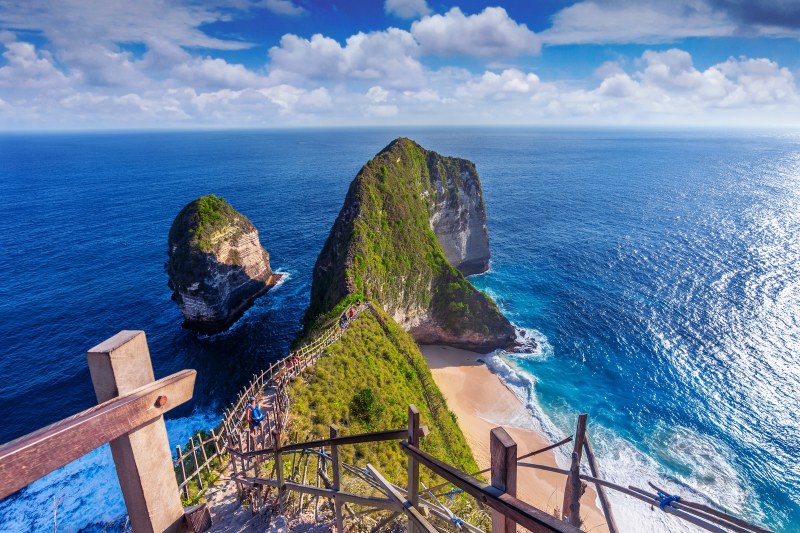


Nusa Penida island

Kelingking Beach in Nusa Penida island, Indonesia.


Palawan, Philippines

With its pristine beaches, crystal-clear waters, and breathtaking landscapes, Palawan is a paradise for nature lovers and adventure seekers. El Nido and Coron are renowned for their stunning lagoons, limestone cliffs, and vibrant marine life. Take advantage of the UNESCO World Heritage-listed Puerto Princesa Subterranean River National Park, a remarkable underground river.


Maldives

The Maldives epitomises luxury with its overwater bungalows, turquoise waters, and abundant marine life. It’s the ultimate destination for a luxurious getaway. Each resort is situated on its private island, offering seclusion and tranquillity. Snorkel with manta rays, dive among vibrant coral reefs, or relax on your private deck with panoramic ocean views.


The Best Places To Visit in the Maldives for Couples

The Maldives is the Ultimate escape in Asia.


Boracay, Philippines

Boracay is known for its white sandy beaches, vibrant nightlife, and many water sports. It’s a favourite among beach enthusiasts. White Beach is the island’s main attraction, with its powdery sand and crystal-clear waters. Enjoy activities like kite surfing, paddleboarding, and beach volleyball. The beach comes alive in the evening with fire dancers and beachfront bars.


Langkawi, Malaysia

Langkawi offers a mix of stunning beaches, lush rainforests, and duty-free shopping. It’s perfect for a relaxing yet diverse holiday experience. Visit the Langkawi Sky Bridge for panoramic views, explore the mangroves of Kilim Karst Geoforest Park, and relax on the pristine sands of Pantai Cenang. Langkawi’s laid-back atmosphere and natural beauty make it an ideal escape.


Koh Samui, Thailand

Koh Samui features beautiful beaches, luxury resorts, and a laid-back atmosphere. It’s ideal for a relaxing tropical escape. Chaweng and Lamai beaches are popular spots, while Bophut and Maenam offer a quieter experience. Visit the Big Buddha Temple, take a boat tour to Ang Thong National Marine Park, and indulge in a traditional Thai massage.


Kayaking Angthong

Kayaking Angthong near Koh Samui, in and out of caves, is an unforgettable adventure.


Gili Islands, Indonesia

The Gili Islands, comprising three small islands, are famous for their clear waters, vibrant coral reefs, and a no-motorised vehicle policy, making them a serene retreat. Gili Trawangan is known for its lively atmosphere, Gili Air offers a balance of relaxation and activity, and Gili Meno is the most tranquil. Enjoy snorkelling, diving, and cycling around these charming islands.


Sri Lanka

Sri Lanka offers diverse landscapes, from pristine beaches to lush rainforests, rich cultural heritage, and wildlife experiences. Visit the ancient city of Sigiriya, explore the tea plantations in Nuwara Eliya, and relax on the beaches of Mirissa. Sri Lanka’s cultural triangle, including Anuradhapura, Polonnaruwa, and Kandy, is a must-visit for history enthusiasts.


Komodo Island, Indonesia

Komodo Island is famous for its unique wildlife, including the Komodo dragon. It offers stunning scenery and fantastic diving opportunities. Explore the rugged landscapes of Komodo National Park, snorkel with manta rays, and hike to the viewpoint on Padar Island for breathtaking views. Komodo Island is a paradise for adventure seekers and nature lovers.


Best Holiday on a Tropical Island in Asia

Enjoy the sights and wildlife of Komodo Island, Indonesia.


A Conclusion on How to Have the Best Holiday on a Tropical Island in Asia

Every traveller dreams of a vacation on a beautiful tropical island in Asia. By considering these helpful tips and carefully selecting the perfect destination, you can guarantee a truly unforgettable experience.

Whether you prefer to spend your days relaxing on pristine beaches, discovering the mesmerising underwater world through snorkelling or diving, or immersing yourself in the rich and diverse local culture, these enchanting islands have something unique to offer every type of traveller.

So, pack all your essentials, open yourself up to new adventures, and get ready to revel in the beauty and wonder of your tropical paradise!


Related Content to Fair Dinkum Traveller!


Best Holiday on a Tropical Island in Asia

Discover the best tropical island holidays in Asia. Immerse yourself in lush landscapes, turquoise waters, and local hospitality.

Packing Tips for Southeast Asia: My Essential Must-Haves

How to Save Money on Vacations When Staying in Expensive Cities

Singapore night lights
 

Vacations are a time to unwind, explore, and create lasting memories. However, the excitement of visiting a new place can quickly diminish if you constantly worry about your budget. Expensive cities, in particular, can pose a significant financial challenge with their high costs for accommodations, dining, and attractions. But fear not—travelling to these cities doesn’t have to break the bank. You can enjoy your trip without overspending with strategic planning and innovative tips.

Imagine strolling through the streets of Tokyo, savouring the historic charm of Paris, or basking in the sun of Sydney—all without constant concern for your wallet. By making informed choices and being mindful of your spending, you can stretch your travel dollars further and make the most of your trip.

From finding affordable accommodation options and utilizing public transportation to discovering free or low-cost attractions and dining like a local, there are numerous ways to cut costs without sacrificing the quality of your vacation.


How to Save Money on Vacations When Staying in Expensive Cities

How to Save Money on Vacations When Staying in Expensive Cities.


How to Save Money on Vacations When Staying in Expensive Cities

Vacations are a time to unwind, explore, and create lasting memories. However, staying in expensive cities can quickly consume your budget if you’re not careful. Fortunately, with strategic planning and innovative tips, you can enjoy your trip without breaking the bank. Here’s an extensive guide on how to save money when visiting costly destinations.


Accommodation Hacks

Accommodation often consumes a significant portion of your travel budget, especially in expensive cities. Here’s how you can save:

  • Alternative Accommodation: Consider options like vacation rentals (Airbnb, Vrbo), hostels, or house-sitting. These can often be cheaper than traditional hotels and offer unique experiences. Couchsurfing is another alternative for the more adventurous traveller.
  • Location Strategy: Stay slightly outside the city centre. Areas with good public transport can be more affordable while allowing easy access to attractions. Suburbs or smaller towns might offer cheaper lodging and a more relaxed atmosphere.
  • Booking Timing: Use apps and websites that offer last-minute deals or discounts for booking early. Sometimes, waiting until the last minute can also score a deal if a hotel still needs to fill hasn’t all its rooms. Also, consider booking directly with the hotel to avoid third-party fees and get additional perks.
  • Loyalty Programs: Join hotel loyalty programs for free and accumulate points with each stay. These points can be redeemed for discounts or free nights. Many credit cards also offer travel rewards that can be used for accommodation.

By exploring these options, you can find the best deals on accommodation and ensure you have a comfortable place to stay without overspending.


Transportation Savings

Transportation costs can add up, but there are ways to keep them in check:

  • Public Transport Passes: Many cities offer tourist passes that include unlimited travel on public transportation and discounts on attractions. Research these passes in advance and compare prices to see if they provide good value for your stay duration.
  • Walking and Biking: Explore the city on foot or by bike. It’s cost-effective and a great way to discover hidden gems. Many cities have bike-sharing programs that are affordable and convenient.
  • Ridesharing and Carpooling: Apps like UberPOOL or Lyft Line can reduce costs by sharing rides with others in the same direction. Carpooling services or renting a car for a day with friends can also be economical.
  • Airport Transfers: Use public transportation to and from the airport instead of taxis. Many cities have affordable and efficient train or bus services that connect airports with city centres.

You can navigate expensive cities by leveraging public transport and other cost-effective options without draining your travel budget.


Eating Smart

Food is another area where costs can spiral, especially in upscale cities:

  • Street Food and Markets: Opt for local street food or markets instead of restaurants. Not only is it cheaper, but it also gives you a taste of authentic regional cuisine. Look for food trucks, farmer’s markets, or local eateries that are popular with residents.
  • Lunch Deals: Many restaurants offer discounted lunch menus with similar dishes to dinner but at a fraction of the cost. Some places also have happy hour deals with reduced prices on food and drinks.
  • BYO Picnics: Pack your lunches and snacks for days out. This saves money and lets you enjoy a relaxed meal in a scenic spot. Visit a local grocery store for fresh, affordable ingredients.
  • Cook Your Meals: If your accommodation has a kitchen, take advantage of it. Preparing your meals can significantly cut down on food costs. Shop at local markets for fresh produce and try cooking regional dishes.

Eating smart doesn’t mean compromising on the experience. It can often lead to more authentic and memorable culinary adventures.


Free and Low-Cost Activities

Expensive cities often have plenty of free or inexpensive things to do:

  • Museums and Galleries: Look for free entry days or discounted tickets during off-peak hours. Many museums offer free admission on certain days of the month or discounted rates for students and seniors.
  • Parks and Outdoor Activities: Enjoy parks, beaches, or hiking trails, which are usually free and offer beautiful views and relaxation. Botanical gardens, public squares, and historic neighbourhoods are great places to explore without spending much.
  • City Events: Check local listings for festivals, markets, or community events that are often free to attend and provide cultural insights. Street performances, outdoor concerts, and seasonal events can be entertaining and budget-friendly.
  • Walking Tours: Join free walking tours offered by local guides. These tours are often based on a tipping system, allowing you to pay what you can afford and learn about the city from knowledgeable locals.

These activities can enrich your travel experience without adding to your expenses.


outdoor activities in Penang

Enjoy free and low-cost travel adventures when looking to save on travel.  


Strategic Planning

A few strategic planning tips can help stretch your vacation budget:

  • Off-Season Travel: Visit during shoulder seasons or off-peak times when accommodation and flights are cheaper. The weather is still pleasant, but fewer tourists and lower prices exist.
  • Tourist Passes: Invest in city tourist passes that offer discounted or free entry to multiple attractions and transport options. Compare different passes to find the one that best suits your itinerary.
  • Group Discounts: If travelling with friends or family, consider group discounts on accommodations, tours, or attractions. Booking as a group can sometimes qualify you for special rates or added benefits.
  • Plan Ahead: Make a detailed itinerary to avoid unnecessary spending: research free activities, affordable dining options, and the most economical ways to get around. Booking tickets for attractions online in advance saves you money and time.

Strategic planning can make your trip more organized and cost-effective.


Use Technology

Leverage technology to save money and enhance your travel experience:

  • Travel Apps: Use travel apps to book flights, accommodations, and activities. Apps like Skyscanner, Hopper, and Kayak can help you find the best deals and compare prices.
  • Maps and Guides: Download offline maps and travel guides. Apps like Google Maps and TripAdvisor provide valuable information on attractions, restaurants, and public transport, helping you navigate the city efficiently.
  • Currency Converters: Use currency converter apps to avoid overpaying due to fluctuating exchange rates. This helps you make informed decisions when making purchases in foreign currencies.
  • Discount Apps: Look for local discount apps or websites that offer deals on dining, entertainment, and shopping. Groupon and LivingSocial often have region-specific discounts.

These tools can make travel more affordable and convenient.


Shopping Savvy

Shopping can be a significant expense, but you can keep it under control with these tips:

  • Local Markets: Shop at local markets for souvenirs and gifts. These are often cheaper than tourist shops and offer unique, handmade items.
  • Tax-Free Shopping: If available, take advantage of tax-free shopping. Many countries offer tax refunds for tourists on certain purchases, so keep your receipts and inquire about the process.
  • Sales and Discounts: Look for sales, discounts, and clearance events. Major cities often have seasonal sales to help you save on clothing, accessories, and other items.
  • Avoid Tourist Traps: Avoid overpriced tourist shops and areas. Research local stores and boutiques that offer better value and authentic products.

Shopping innovative allows you to bring home memories without overspending.


Financial Tips

Managing your finances wisely can save you money and prevent unexpected expenses:

  • Local Currency: Use local currency to avoid exchange rate fees. Withdraw cash from ATMs rather than exchanging money at airports or hotels, where rates are usually higher.
  • Credit Cards: Use credit cards that offer no foreign transaction fees. Travel credit cards also provide travel insurance, purchase protection, and rewards points.
  • Budgeting Apps: Track your expenses with budgeting apps. Apps like Mint and YNAB help you monitor your spending and stick to your budget.
  • Emergency Fund: Set aside an emergency fund for unexpected expenses. A financial cushion ensures you’re prepared for unforeseen costs without impacting your vacation budget.

Being financially prepared allows you to travel with peace of mind.


Pack Wisely

Packing smartly can help you avoid unnecessary expenses:

  • Essentials: Bring essentials like toiletries, medications, and chargers to avoid buying them at inflated prices in tourist areas.
  • Weather-Appropriate Clothing: Check the weather forecast and pack accordingly to avoid buying additional clothing.
  • Reusable Items: Bring reusable water bottles, shopping bags, and utensils. These can save you money on bottled water, shopping bags, and disposable cutlery.

Packing wisely ensures you’re prepared for your trip without extra costs.


How to Save Money on Vacations When Staying in Expensive Cities

How to Save Money on Vacations includes packing wisely and intelligently.


The Best Expensive Cities to Visit Worldwide

While it’s essential to save money while travelling, there’s a reason some cities are known for their high costs: they’re often home to some of the world’s most iconic sights, cultural experiences, and luxurious amenities. Here are some of the most expensive cities to visit worldwide, each offering unique experiences worth every penny:

1. Paris, France

  • Highlights: Eiffel Tower, Louvre Museum, Notre-Dame Cathedral, Montmartre, and Seine River cruises.
  • Budget Tips: Explore free attractions like Sacré-Cœur Basilica, stroll through Luxembourg Gardens, and enjoy the vibrant street art in Le Marais.

2. Tokyo, Japan

  • Highlights: Senso-ji Temple, Meiji Shrine, Shibuya Crossing, Tsukiji Fish Market, and Akihabara district.
  • Budget Tips: Visit Ueno Park and its free museums, explore the trendy Harajuku area, and dine at conveyor belt sushi restaurants for an affordable culinary adventure.

3. New York City, USA

  • Highlights: Central Park, Times Square, Statue of Liberty, Metropolitan Museum of Art, and Broadway shows.
  • Budget Tips: Walk across the Brooklyn Bridge, visit High Line Park, explore the diverse neighbourhoods, and enjoy free entry to museums on certain days.

4. London, England

  • Highlights: Buckingham Palace, Tower of London, British Museum, Westminster Abbey, and West End theatres.
  • Budget Tips: Visit the many free museums and galleries, enjoy the changing of the guard ceremony, and explore the markets of Camden and Borough.

5. Dubai, UAE

  • Highlights: Burj Khalifa, Dubai Mall, Palm Jumeirah, Dubai Creek, and desert safaris.
  • Budget Tips: Wander through the traditional souks, relax on public beaches, and enjoy the free nightly fountain shows at the Dubai Mall.

6. Singapore

  • Highlights: Marina Bay Sands, Gardens by the Bay, Sentosa Island, Chinatown, and Little India.
  • Budget Tips: Explore the Botanic Gardens, visit the many free public parks, and enjoy the affordable yet delicious food at hawker centres in Singapore.

7. Hong Kong

  • Highlights: Victoria Peak, Star Ferry, Temple Street Night Market, Tian Tan Buddha, and Hong Kong Disneyland.
  • Budget Tips: Ride the Star Ferry for a low-cost harbour tour, hike the Dragon’s Back trail, and explore the vibrant neighbourhoods.

8. Zurich, Switzerland

  • Highlights: Lake Zurich, Old Town, Swiss National Museum, Bahnhofstrasse shopping street, and Uetliberg mountain.
  • Budget Tips: Take free walking tours, enjoy the lakeside promenades, and explore the historical sites in the Old Town.

9. Sydney, Australia

  • Highlights: Sydney Opera House, Sydney Harbour Bridge, Bondi Beach, Taronga Zoo, and Darling Harbour.
  • Budget Tips: Walk the coastal trail from Bondi to Coogee, visit the Royal Botanic Garden, and enjoy the free museums and galleries.

10. Venice, Italy

  • Highlights: Grand Canal, St. Mark’s Basilica, Doge’s Palace, Rialto Bridge, and Murano glass factories.
  • Budget Tips: Wander through the less touristy neighbourhoods, visit the many churches with free entry, and enjoy the city’s charm by getting lost in its winding streets.

These cities are renowned for their beauty, history, and cultural significance. With careful planning and the tips mentioned, you can experience the best they offer without overspending.


Sydney Opera House

Sydney Opera House is a significant attraction, and it’s free to admire its beauty.


A Conclusion on How to Save Money on Vacations When Staying in Expensive Cities

Travelling to expensive cities doesn’t have to mean overspending. With these savvy tips, you can enjoy the best these destinations offer while staying within your budget. A well-planned trip not only saves money but also enhances your travel experience. Focus on making memories through local experiences, whether a picnic in the park or a free museum day.

Timing is vital—travel during off-peak seasons for lower costs and fewer crowds. Use technology to find deals, navigate cities, and track expenses. Embrace local culture through free events and affordable dining spots favoured by residents. By being resourceful and flexible, you can explore even the priciest cities without sacrificing the joy of travel.

Pack your curiosity, plan, and embark on your journey, knowing you can create lasting memories without breaking the bank. Enjoy your budget-friendly adventure in the world’s most expensive cities, where every moment is a discovery of culture, beauty, and unforgettable experiences!


Related content to Fair Dinkum Traveller!


Why travel

Get Your Free E-Book Today!

Stay in the loop with our monthly newsletter! Get expert travel tips and destination advice, and snag a free E-Book!

You have Successfully Subscribed!